AGA Energy-Saving Tips for More Efficient Cooking
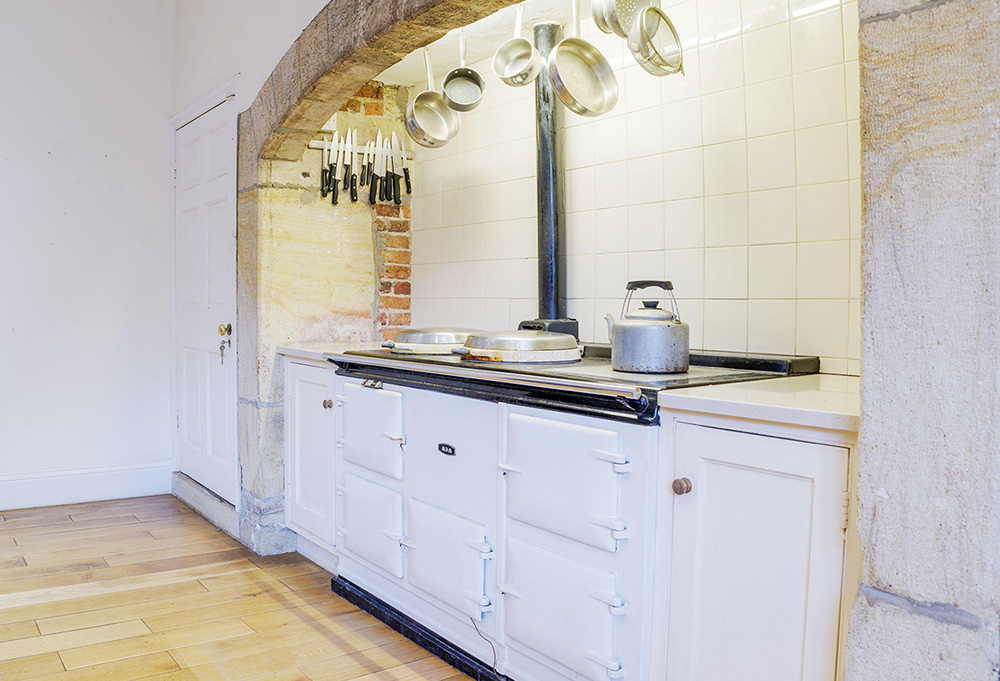
An AGA is one of the most versatile and characterful cookers you can own — but it's no secret that running costs can be a concern, particularly with energy prices remaining high. The good news is that with a few simple adjustments to how you cook and manage your AGA, you can make a real difference to your energy consumption without sacrificing any of the cooking quality you love.
Whether you own a traditional cast-iron model or a modern electric AGA, these practical tips will help you get the most out of every unit of energy.
Use your ovens, not your hotplates
One of the most effective — and most overlooked — ways to reduce your AGA's running costs is to rely on the ovens for the majority of your cooking. As a general guide, aim for around 80% of your cooking to be done in the ovens rather than on the hotplates.
On older models especially, lifting the hotplate lids causes heat to escape quickly, which means the cooker has to work harder — and use more fuel — to maintain its temperature. Keeping the lids closed as much as possible preserves the stored heat and keeps the cooker running efficiently.
7 tips to reduce your AGA's running costs
- 1
Cook multiple dishes at once. Your AGA's ovens are always at temperature — make the most of them. Batch cooking, preparing side dishes alongside a main, or baking while a casserole slow-cooks in the simmering oven all make excellent use of the heat that's already there.
- 2
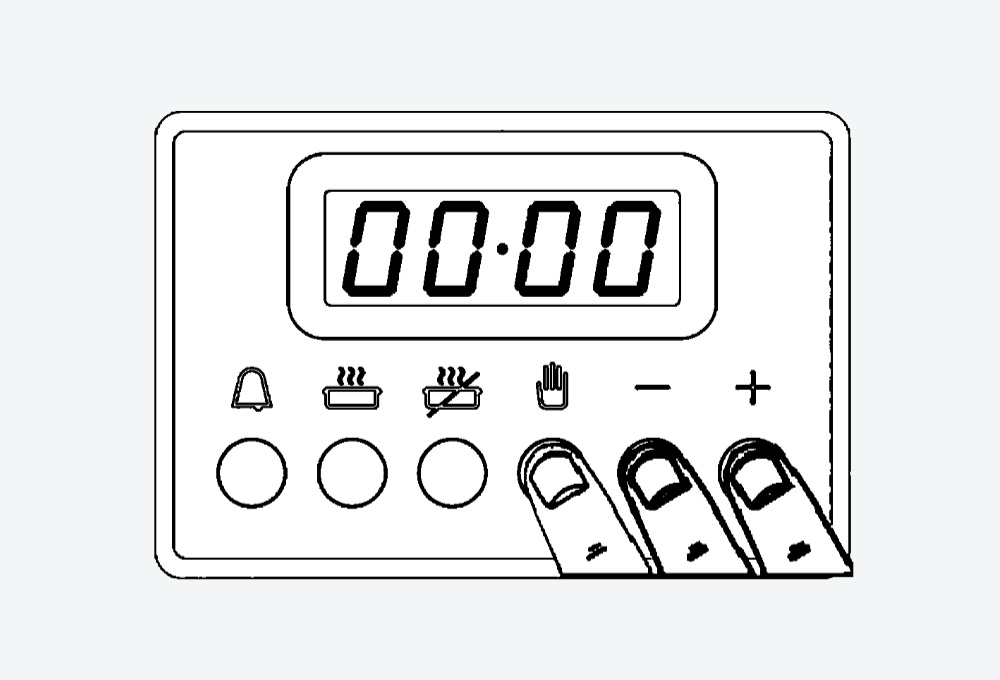
Use programmable settings. Modern electric AGAs can be programmed to reduce output overnight and reach full temperature by morning. Setting a schedule to match your cooking habits means you're not paying to heat the cooker when you don't need it.
- 3
Keep the lids and insulation covers closed. The hotplate covers act as insulators. Keeping them down when the plates aren't in use retains heat and reduces how hard the cooker works. Invest in good-quality insulation covers if yours are worn.
- 4Keep your AGA regularly serviced. A well-maintained AGA runs at maximum efficiency. Have the insulation checked and the burners or elements cleaned as part of your annual service — it can make a noticeable difference to running costs over the year.
- 5Use the simmering oven for slow cooking. Rather than keeping dishes simmering on the hotplate, move them into the simmering oven. It uses far less energy to maintain a gentle, even heat and often produces better results for casseroles, stocks, and soups.
- 6Let your AGA heat your kitchen too. Don't forget that your AGA contributes to warming your home, particularly during cooler months. Factor this into your overall energy picture — the heat output that warms your kitchen reduces the load on your central heating.
Small changes really do add up. Even switching just one or two habits — like batch cooking or keeping the lids closed more consistently — can make a meaningful difference to your quarterly energy bills.
Is it time for a service or upgrade?
If your AGA feels like it's working harder than it should, or your running costs have crept up, it's worth booking a service to check the insulation and heating elements are in good condition. An inefficient AGA often just needs a professional look-over to bring it back to its best.